
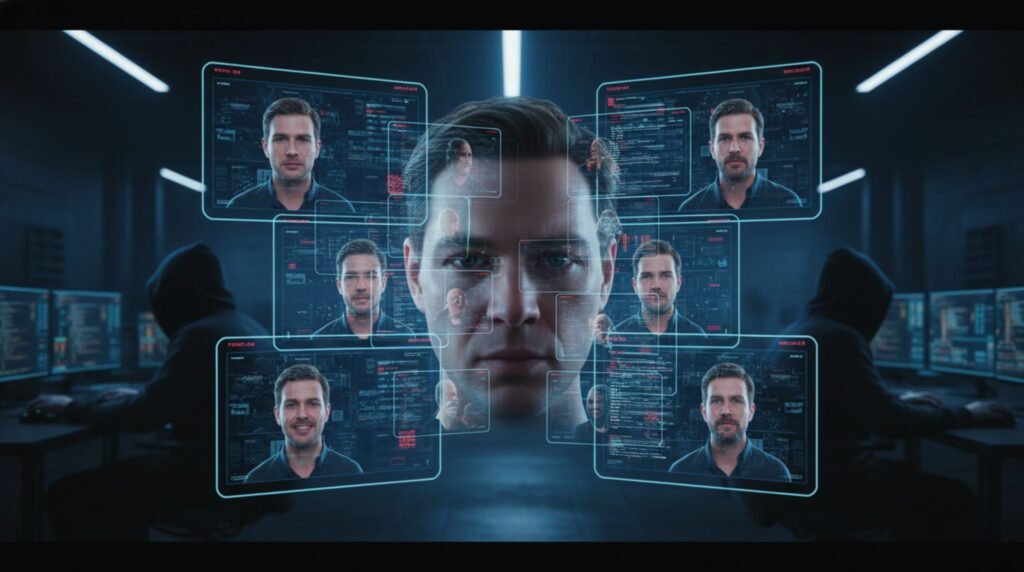
Deepfakes used to seem like something out of a movie. Videos of celebrities or silly memes. In 2026 they are something much more serious. They are a tool that can change what we think is real one video or voice clip at a time. The numbers are really scary. There were 500,000 deepfake files online in 2023. This number is expected to grow to 8 million in 2025. It does not seem like it is going to slow down. Most people cannot even tell if a video is fake or not. 24.5% Of people can spot a high-quality deepfake video. This means that most of us will not even notice that it is fake. This is not something to worry about in the future. It is happening now. Deepfakes are being used to spread information that can affect elections. They are also being used to trick people into giving away their money. There could be even more serious threats in the future. These threats could make us question what is real and what is not. Even when we watch the news or make video calls. Lets take a look, at this issue.
- This issue is real. It is not just something to read about.
- Deepfakes are being used for purposes.
- We need to be careful and aware of what we see.
Deepfake Misinformation: When “Seeing Is Believing” Becomes Dangerous
Misinformation has been around for a time but deepfakes make it much worse by making fake information look and sound very real. In the 2024 and 2025 election periods around the world we saw this happen. In Irelands 2025 election a deepfake video showed a main candidate pulling out of the race. Just a few days before voting. There were cases in the Netherlands where many AI-made images were used to attack politicians. In the US 77% of voters saw deepfake content about candidates before the 2024 elections. Research shows that these videos do not just spread. They also change what people think. A study in 2025 found that people have trouble telling deepfakes from videos and get influenced by the fake messages. The worrying thing is that it’s not politicians who get targeted. Everyday news, famous people and even videos of people who claim to have seen something happen get changed.
One deepfake video that goes viral can cause people to disagree lead to protests or make people doubt events before fact-checkers can correct it. Also social media platforms often show content that makes people emotional fake information often spreads faster than the truth. Deepfakes are a problem. Deepfakes are something we need to be careful, about and we need to be aware of deepfakes.
Deepfake Fraud: From Voice Clones to Million-Dollar Heists
If misinformation attacks democracy, fraud attacks your wallet—and businesses are feeling it hardest. Deepfake-related fraud losses hit $547.2 million for Americans in the first half of 2025 alone. Overall U.S. fraud losses reached $12.5 billion in 2025, with AI-powered attacks (including deepfakes) playing a major role. Globally, identity fraud topped $50 billion last year, and experts warn 2026 will be worse.
Real-world examples make it hit home:
- A Hong Kong finance firm lost $25 million after scammers used a deepfake video call impersonating the company’s CFO.
- The British engineering firm Arup fell for a similar $25 million scam.
- Voice cloning is exploding too—one in ten adults worldwide has now faced an AI voice scam, with 77% of victims reporting financial losses.
Criminals do not need to be tech experts .There are platforms that offer “Deepfake-as-a-Service” where anyone can rent tools for a hundred dollars. These tools combine voices, live videos and custom scripts. They can pretend to be your boss asking for a money transfer. They can claim to be your grandchild in an accident. Sometimes they even pretend to be a colleague who needs your login information. The emotional urgency makes people act fast without checking.
Companies also have to deal with “deepfake employees”. This is when AI creates resumes and interview videos that fool HR. This gives attackers access, to the companys inside. It’s a fraud problem.
Future Threats: What’s Coming in 2026 and Beyond
The worst may still be ahead. Deepfakes are getting faster, cheaper, and harder to detect. Real-time versions can now bypass many security checks with over 90% success rates in some tests. Biometric systems (face, voice, even video verification) are under siege—deepfakes already make up 40% of biometric fraud attempts.
Looking ahead:
- Election interference on steroids: With U.S. midterms and other global votes in 2026, expect more hyper-personalized deepfakes tailored to specific voter groups via social media.
- Mass-scale scams: Voice cloning + deepfake video could hit “industrial” levels, targeting families, retailers, and corporations daily.
- Erosion of societal trust: When you can’t believe your eyes or ears, everything—from court evidence to family video calls—becomes suspect. Terror groups and nation-states are already experimenting with deepfakes for propaganda and recruitment.
- Economic ripple effects: Projections show AI-enabled fraud (heavily powered by deepfakes) could reach $40 billion in the U.S. alone by 2027.
The technology that once seemed fun is now a low-barrier weapon for bad actors.
The Bottom Line (and What We Can Do)
The dark side of deepfake technology is not the end of the world. It is a warning to all of us. We are already seeing people fight back. There are tools to find deepfakes now. There are standards like C2PA to help us know where things come from. More and more people are learning about this problem.. The most important thing is you. You have to slow down and check where things are coming from. You have to use the tools we talked about before. These tools can help you find deepfakes. For example you can watch to see if someone blinks in a way. You can check if their lips are moving in sync with what they’re saying. You can also use tools to check if a video is real or not.
Deepfakes are most effective when people are in a hurry or upset. So you have to take your time and be careful. Do not be too quick to believe something. Always question what you see and hear. Have you seen a video. Gotten a call or message that seemed strange, to you lately? You can tell us about it in the comments. You do not have to say who you are. Just share what happened. The more we talk about deepfakes the harder it is for them to trick us.
So be careful. Stay alert. Trust people, but always check to make sure they are telling the truth. Deepfake technology is a problem but if we are careful we can stop it. We just have to remember to slow down and verify everything. This is the way to protect ourselves from deepfakes.